
P4HR Welcomes Dr. Chuck Denison to Its Advisory Board
An aviation and forensic neuropsychologist who also understands aviation from the pilot's seat is joining Pilots for HIMS Reform to help build a more evidence-based, transparent, and workable aeromedical system.
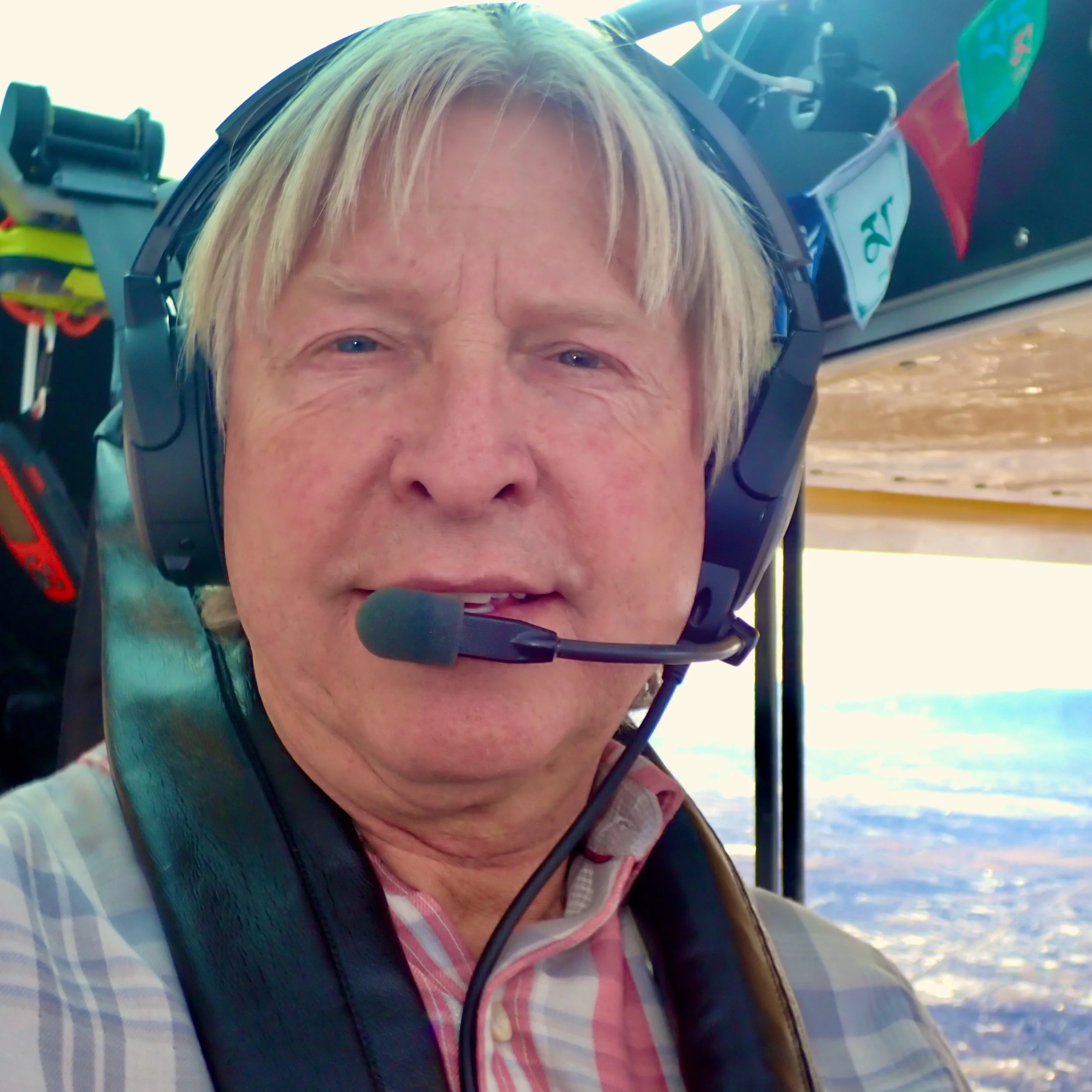
Pilots for HIMS Reform is honored to welcome Dr. Chuck Denison to our Advisory Board.
Dr. Denison brings something especially valuable to this work: he understands the aeromedical system from more than one seat.
He is an aviation and forensic neuropsychologist whose professional work includes psychological and neuropsychological evaluations for FAA medical certification. He is an avid pilot and longtime participant in the aviation community. He has been an aircraft owner, president of his local flying club, and is on the medical advisory board for AOPA. He is a certified human factors analyst and has testified in legal cases related to pilot performance and mental health.
That combination matters. The policies debated in aviation medicine are not abstract to the people who live under them, nor are the clinical decisions easy for the professionals asked to make them. Meaningful reform requires people who understand both realities.
A Career Focused on Aviation, Neuropsychology, and Human Factors
Dr. Denison earned two graduate degrees in psychology from the University of Denver and has developed specialty practices in aviation neuropsychology and forensic psychology. Through Aviation Psychology, LLC, he and his clinical associates work directly with pilots and other aviation professionals from their offices located at two Colorado airports.
Dr. Denison has served as the Clinical Director of a Drug Court Program, where he oversaw assessment and treatment services.
His practice provides a broad range of psychological and neuropsychological evaluations required by the FAA. He administers the CogScreen-Aeromedical Edition for pilots whose medical-certification cases require specialized cognitive testing, including pilots seeking renewal of Special Issuance medical certificates. He also consults with attorneys in aviation-related cases and maintains continuing education through the HIMS program and aeromedical psychology conferences.
The FAA's current list of HIMS neuropsychologists and psychologists includes Dr. Denison among the professionals available for aviation neuropsychological evaluation.
A Pilot Evaluating Pilots
Dr. Denison's connection to aviation is personal as well as professional. As a glider pilot in the 1990s, he earned Gold soaring awards for Duration and Altitude-gain performances. In the more recent decade, he specialized in backcountry and mountain operations with his Husky A-1B aircraft. He has served as president of his local flying club, participates in EAA Young Eagles introductory flights, and belongs to multiple aviation organizations.
That lived understanding of aviation does not replace clinical expertise—but it adds context. It means understanding that an FAA medical decision affects not only a chart or a test score, but a pilot's identity, livelihood, family, and ability to participate in the community that often defines much of his or her life.
A Voice at the Intersection of Medicine and the Pilot Community
Dr. Denison also serves on the Aircraft Owners and Pilots Association's Board of Aviation Medical Advisors, a role that places him alongside other aviation medical professionals working on issues that directly affect the pilot community.
That kind of bridge-building is exactly what P4HR believes the next phase of aeromedical reform requires.
Too often, difficult conversations become divided into camps: pilots versus physicians, advocates versus regulators, safety versus fairness.
Those divisions make reform harder than it needs to be.
The better question is whether the people closest to the problem can work together to build a system that is safer, clearer, more scientifically defensible, and more humane than what exists today.
Human Factors Matter
Aviation has always understood that safety is about more than machinery.
Human performance, cognition, judgment, fatigue, stress, motivation, medical conditions, medications, recovery, and the operating environment all matter. That is why the human-factors perspective is so important to P4HR's work.
Dr. Denison's experience as a certified human-factors analyst adds another layer to the Advisory Board: the ability to examine how systems themselves influence behavior and outcomes.
A medical-certification system is also a human system. Its rules influence whether pilots disclose concerns, whether they seek treatment early, how clinicians approach difficult cases, how much confidence people place in regulators, and whether the safest behavior is encouraged or inadvertently discouraged.
A genuinely safety-centered system should not only ask whether an individual pilot presents risk. It should also ask whether the system itself creates the conditions for people to seek care early, disclose honestly, receive competent evaluation, and understand what is required to move forward.
Clinical Rigor and Due Process Are Not Opposites
One of the central ideas behind P4HR's reform effort is that rigorous medicine and meaningful due process should reinforce one another.
A high-quality neuropsychological evaluation can be demanding. It should be. Aviation is a safety-sensitive environment.
But rigor does not require opacity.
Pilots should be able to understand what is being evaluated, why a particular requirement exists, what evidence is being relied upon, and what standards must be satisfied. Clinicians should have clear guidance about the questions the FAA needs answered without being forced into unnecessarily rigid approaches that substitute process for individualized professional judgment.
That balance—rigor without unnecessary rigidity—is one of the areas where experienced aviation psychologists can contribute enormously to reform.
Building Reform With the People Who Actually Do the Work
P4HR's Advisory Board is intentionally becoming more multidisciplinary.
That is not accidental.
If aeromedical reform is going to last, it cannot be designed exclusively by advocates and then handed to clinicians. Nor can it be designed exclusively by institutions and then imposed upon the people who must live with the consequences.
We need both.
We need pilots and controllers who can explain where the system fails in practice. We need physicians, psychologists, neuropsychologists, toxicologists, AMEs, and treatment professionals who can explain what sound medicine requires. We need people who understand regulation and due process. And we need people willing to challenge assumptions on all sides.
Dr. Denison's experience makes him particularly well suited to that conversation because he has spent his career working where those worlds meet.
A Shared Goal: Help More People
The impact of a good clinician is often measured one person at a time: one evaluation, one difficult case, one pilot who finally understands what the FAA needs, one airman who finds a path back to the flight deck.
Serving on the P4HR Advisory Board creates another opportunity—the ability to help shape ideas and reforms that can affect thousands of people who may never sit in the same examination room.
That is the kind of impact P4HR wants this board to have.
Not advocacy detached from medicine.
Not medicine detached from the people it affects.
But a serious effort to bring those perspectives together and ask a simple question: How can we make this system work better for everyone while protecting the safety standard aviation demands?
We look forward to working with him as we continue building an aeromedical reform effort informed by clinical science, human factors, operational reality, due process, and the firsthand experience of the pilots and air traffic controllers the system exists to serve.